
Victor Scalise began his career in visual effects in the mid-1990s and has since contributed to a wide range of projects. He served as visual effects supervisor on series such as Parenthood, The Event, and The Walking Dead. In 2020, he teamed up with Scott for Away, followed by Cowboy Bebop and then One Piece.
Launching his career in the mid-1990s, Scott Ramsey worked on several notable productions before teaming up with Victor Scalise, including Supernatural, Parks and Recreation, The Resident, and Grey’s Anatomy.
What’s your background?
Victor: Grew up in Upstate NY, and always loved sci-fi movies and action movies. When I was young I thought I wanted to be a director until I actually realized what a career in VFX could be. I fell in love with working in VFX and I am lucky enough to be exactly where I dreamed of as a kid. I went to Film School at Ithaca College for film production and dabbled a bit in claymation, very early computer animation, as well as traditional filmmaking. When I first started in the industry in the mid 90’s, it was mostly SFX, VFX was just starting to poke its head. I worked at Stargate Studios where we did a lot of miniatures, and SFX element shooting. I’m glad I was able to learn these techniques because it was very beneficial as I transitioned into the digital age. As a VFX supervisor it also gives me an advantage when I need to communicate with the SFX teams. I worked my way from an intern to a VFX editor, then to running the VFX Editorial Department and finally to an in-house VFX Supervisor. I learned a lot there and got to work on a vast spectrum of shows. I eventually ventured into the show side of Visual Effects Supervision. I’ve worked mostly in Network television for most of my career before moving to Streaming. Scott and I have been friends for a long time and we became a team when we worked on Away for Netflix/Universal. We complement each other and have built a solid team around us over the years.
Scott: Grew up loving adventure and heist films. Raiders of the Lost Ark is the best movie ever made…1993 started in visual effects on the TV Show Viper. Introduced early to transforming cars, miniature work, and set extension. Loved the visual effects world right away! 33 years later have worked on 81 films and TV shows, including The Italian Job, Blade, Jeepers Creepers, K-19: The Widowmaker, Grey’s Anatomy, Parks and Recreation, Into the West, Away, Cowboy Bebop, and now One Piece. Look forward to many more years creating visual effects for TV & films.
You both worked on the first season of One Piece. Before diving into the details of Season 2, how did your overall approach to the visual effects evolve compared to the first season?
Victor: Season One had a lot of VFX but they were a bit simpler than the challenges we faced in season two. We have an amazing set of vendors on this show. As for the effects in S1 the The Gum Gum Powers really got worked out while doing session one. During this season the techniques really got worked out, so for Season two we evolved them a bit but had a solid foundation for what we had started with Framestore. S1 also included Buggy’s powers. They were cool and a lot of fun but fairly simple to execute, at least on the VFX Supervision side. The Lord of the Coast and News Coo were our only creatures, we didn’t really have large shot counts for those sequences, like would come in Season 2. The Boat shots were handled by Rising Sun Pictures, and that is when we worked out the look of the oceans and seas. There were challenges in season one, but Season 2 brought in so much more of everything. More creatures, new powers, bigger worlds, and a CG Straw hat. We still kept our approach to attacking S2 close to how it was before in S1.
Were there any major pipeline improvements, creative shifts, or new challenges that influenced the way you tackled the VFX this time around?
Victor: We are very lucky to have a really great group of people on our team. Since we knew the work load would be heavier, we expanded our team for season 2. Our LA/Post VFX team Jason, Chau, Michelle, Machon, Victoria, Rob, Rhett, Cynthia, Shawn, Ziyun, and Michelangelo played a major part in getting all the shots through the pipe and on the screen. We did have a lot of overlapping episodes in post so their organization and keeping us on track was very impressive. In South Africa, the on-set team of Jeremy, Brit, Vega, Caitlin, worked with us on set, making sure we got all the data and images captured that we needed. Brad and Nez are our scanning and Lidar team, they made sure we got all the digital assets in the place we would need for our vendors in post. We also have CGSfx set up a scan booth at the studio and they do our Actor and prop scans. We are also lucky to have great Post and Production teams on the show that we collaborate with. Everyone gave 110% without the team, we would have never been able to get S2 completed.

How did you approach selecting the different VFX studios for Season 2, and how was the work distributed between them to best match each studio’s strengths?
Victor: For s2 we called upon the vendors that have been part of our team for years now. These existing vendors have been part of our team for years, Framestore NY Led by Andy, Rising Sun Pictures led by Dennis (DJ), Jason and, Scanline/Eyeline led by Derek, Barnstorm VFX led by Khalid, Ingenuity Studios led by Jack, Mr. Wolf led by Jon, Refuge VFX led by Kyle and Incessant Rain led by Prabhakar. We did add a few new vendors for S2 – Framestore London led by Ross, Important Looking Pirates (ILP) led by Grant, FOLKS led by Laurent, and Digikore led by Abhishek. All of these Vendors really pushed the VFX for s2 to a whole new level…… Much thanks to them.

Season 2 expands the world of One Piece even further. From a VFX perspective, how did you approach maintaining the distinctive visual identity of the series while introducing new characters, creatures, and environments?
Victor: One funny thing about Season 2 when we were first reading the scripts was the VFX were bigger overall. We thought – wait a minute, what do you mean BIGGER……. Laboon, Giants, Dinosaurs, Reverse Mountain. We had a lot of very large in scale vfx to deal with. We can dive into this later….. Having such Large scale creatures, environments, actors were just some of the challenges that we had to figure out. On the smaller side we had the Unluckies and Tony Tony Chopper added to the CG creatures list, we had a plan in place for these already. Then there were smoke powers, wax powers, booger powers, arm powers, and mass powers. Some of the new powers were very challenging on how to interpret the Manga into live action. There were lots of looking at Manga frames and animal references this season.

One of the most anticipated elements for fans is the arrival of Tony Tony Chopper. Can you walk us through the early design process for Chopper and how you translated such an iconic manga and anime character into a believable live-action creature?
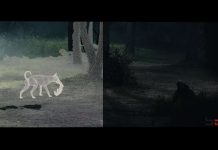
Victor: We just wrapped season 01 and our show runners came up to us and said how do we do Tony Tony Chopper if we get a S2 pickup. We immediately suggested CG due to the emotions that you would have to pull off for this new character. We called Jon and Julie at Framestore to start a conversation, since they were already one of our main vendors. Lucky for us Framestore has pulled off some of the best CG creatures that have walked across the silver screen. They were very excited to get the call, for some reason I think they were waiting for it. We talked about many options with them and came up with using the approach they took on Rocket Raccoon in Guardians of The Galaxy. A S2 pickup came quickly and we went right into meeting about S2’s biggest question: how to do Tony Tony Chopper. We brought what we learned from our conversations with Framestore and looked at all the variations: puppet, partial puppet with CG enhancements, actor in a furry suit or all CG. We looked at lots of references and kept coming back to Rocket Raccoon. We needed to have a way to make Chopper feel like a real live creature. So the decision was made to go CG for TTC in Hybrid mode and Reindeer form. Jaco, the show’s Prosthetics supervisor, would take on Heavypoint since it has human proportions. We did want to have Chopper completely designed before even going into prep, so Netflix approved us to start right away.
Framestore introduced us to Ross who would be their VFX Supervisor working with. We had him come down to SA for the first days of shooting to make sure we got it right. We immediately got started with concept art. We looked at the manga frames, and one requirement we knew was that he had to be cute and lovable. Johnathan, one of Framestore’s concept artists, went right to work on a design. Thinking this would be a hard process we received the first piece back quickly. It was awesome, we showed it to the Showrunners, then Tomorrow Studios, then to Netflix, and everyone loved it. We had notes, but getting as close as we did on the first pass was a plus. We were already on the road to a great Chopper. We made some adjustments, and we knew the next step was to show Oda Sensei. He liked the concept version a lot. He gave us notes that pushed Chopper even cuter and into the CG creature you see on the screen. For such a big challenge, we got there very quickly on the design. The next step was to start building the 3Dmodel and begin to figure out how he moves and how he interacts with things. We were building a character that would be one of our lead actors in the series moving forward. Making sure Chopper would be designed to be able to perform and do anything a real actor could was critical.

Framestore ran lots of tests on how he can pick things up, walk, and climb. Tiny details also are there like adding a paw-like texture so he could pick up items like glass and they wouldn’t slide out of his hooves for hands. We made one hoof like a thumb to help also. It also would allow for emoting with his hands. The next step was to make the model ready for Mikaela, the actor that would be driving Tony Tony Chopper’s performances. 3D facial scans and FACS (Facial Action Coding System) were done with Mikaela so we could map her facial features and proportions to the 3D model’s face. This is what allows the animators to take the performance capture of Mikaela and translate her expressions and movements to the 3D Chopper model. We did more looks and tests, and finally, Chopper became what you see in the show. Once Hybrid Chopper was completed, Framestore then started with the reindeer form of him. We followed the same steps once again. The process went very smoothly for what is such a complex VFX.

Chopper has a very expressive personality and a wide emotional range. What were the key considerations when developing his facial performance and animation to ensure he feels both realistic and faithful to the character audiences know?
Victor: When it came to how to execute TTC with production and what we would need to do, we once again had many chats with Framestore about this. We talked about having a CG live feed of Chopper when shooting, we did some internal tests and figured it would be too difficult and could lead to having a bunch of computer gear on every set he would be on. Framestore was very happy with the way the Rocket approach worked for them, so we adapted ours based on that. The first step was casting a proxy actor for on set. The Proxy Actor role is to act opposite the other actors in the scenes, give eyelines, give the animators a reference for hand and leg movement, give Lukas our director to help direct the scene, and our Cinematographer Micheal frame shots. This technique was used on Guardians and Framestore said it was crucial to help non-cg actor’s performances in the scenes since Bradley (Mikaela for us) would be driving the CG performances later. The proxy is important because if you don’t get solid and emotional performances from the actors performing with the CG Chopper in the scene, then we would not hold the audience’s attention. N’kone, a South African local, was cast for this role. She did a really great job working with the other actors and helped get those amazing emotions that you saw from Mark, Katie and the Strawhat actors on the screen. The other on set tools were supplied by Jaco, who built us a life size lighting reference stuffy. This would be used for framing up and as a lighting reference for the CG artists to help put the CG chopper in the scenes. We also made a version we call Frankie because it has no fur and we have a headless version, armless version, basically the Frankenstein Version. This version we use for touching and interaction with other actors or set items.

Once we have all the footage, we move to the second step of process post production. Now the scenes are edited with a blend of set ref, and cg temps. Once the timings are roughly worked out and approved, we then turn to Mikaela, who not only gives Chopper his voice but his life. She was the perfect choice for Chopper. She was not new to this process due to the work that she did as the rabbit in Guardians 3, this made it much easier for us. The Framestore artists were so excited to work with her again. Framestore was always very complimentary on how Mikaela’s performance had an effect on the final outcome of Chopper. S2 had some very emotional scenes and if the CG Chopper was not believable, these episodes would not have worked. We now had the really awesome performances in the edit from the Huriluk, Kureha and The Strawhats already recorded, now it’s time to get Chopper’s big moments and performances. We do a special recording session of what we call “performance reference” with Mikaela as she now delivers her performance to the recordings of the other actors. We have two cameras that record Mikaela’s facial performance from different angles. This allows the animators to be able to see her from different perspectives. The editors then recut the scene with Mikaela and we lock the edit. At this point we have all the materials needed to start animating CG Chopper. We turn all the footage and data over to Framestore and we now start the long process of animation. We had 367 Chopper shots ahead of us. Framestore’s animators take the Mikaela reference footage and now begin to match the performance to the Chopper rig to her face.
This is the first time our CG Chopper really comes to life. This technique is great for giving Chopper real life reactions and emotions. All the subtle movements that Mikaela performs give so much for the animators to work off of. Framestore’s talented animators add their magic now by perfectly translating the human performance into what is now an animal’s face. It’s amazing when the shots are returned to us and we have Mikaela’s Picture in Picture next to the CG Chopper performance and they match up so perfectly. We discussed doing mo-cap sessions for Choppers walk and body movements but because of the size and bone differences, we chose to have Framestores animators contribute to that. The amount of detail that all the artists add to the process is amazing. I always enjoy it when you see little pictures in pictures of an animator or their children recording themselves walking or climbing as they present animations for approval for the body. These animations combined with Mikaela now give us a living and breathing Chopper. It’s amazing that even watching performances in this greyscale version of performance, unlit and no fur, could still drive a tear to your eye. Now with the animations approved, the model is put through simulations of muscles, fur, and lighting and then into final comps. These steps sound quick but lots of time and effort go into making the shot perfect. There are many intricate steps to each shot of Chopper. We made sure that we have a very good approval process setup with our Showrunners, Tomorrow Studios, Netflix and Oda Sensei so that we don’t ever take TTC too far down the road without him being the Chopper they all love. The VFX team really appreciated all the extra time the executives put into the Chopper process, it is so much more than just normal filmmaking, they really helped creatively to make Chopper great. When we see all the shots in the scene filled up, the payoff from the long journey is so worth it. When all was finally rendered, we watched CG Copper against the performances given Mark, Katie, and Strawhats. I would give lot of praise in their performances in the scenes. All the hard work and late nights for VFX had paid off. The success of Chopper is such a team effort from the production team and the post teams that worked so closely with VFX to make him such a great addition to S2. There are sooo many people who helped create Tony Tony Chopper. Every step of the process from production to final render is so important to create the living breathing Hybrid Deer, you see Tony Tony Chopper the newest Strawhat.
Beyond the base design, Chopper is also capable of transforming into different forms. How did these transformations influence the creature pipeline and animation approach?
Victor: We knew we would have to have Chopper transform from reindeer form to Heavypoint and from Hybrid to Heavypoint. We had our normal Chopper and Deer rigs but also had to build transformation rigs because we didn’t want to limit our performances. Ross and I had lots of conversations of how to make the transformations look best. One thing that was our biggest worry was we didn’t want the traditional An American Werewolf in London type. Our showrunners didn’t want it to be painful or horror movie-like. Once the rigs were built we started playing around with angles to see how it would play best. We discussed not wanting to transform the faces on camera because we wanted to keep the fans loving cute little Chopper and not give them images that could make them look at him in a completely different way. Framestore presented us with a few options of what they thought would work best and our showrunners chose the ones they liked and those are what you see in the show. We opted for muscle and fur growing smoother and thought it was elegant and still told the story we needed to tell.

The series features a growing number of creatures and unusual characters such as Laboon or the Giants. How did the team balance stylization and realism when designing and animating these beings so they integrate naturally with the live-action world?
Victor: Laboon. How do you make a giant whale emotional? That was to me the biggest VFX challenge here. We brought on ILP to our team for season 2 and we knew they would be perfect for creating Laboon, Twin Capes and part of Reverse Mountain. The size of Laboon made it very tricky. How do you take a big creature and have emotional performances with an actor who in comparison would be the size of an ant. We knew that the eye was going to be the key. We based the model off of a sperm whale as a base, but we knew we would need to modify it since a sperm whale has a very small mouth and are not all that wide. So we widen one out and put a more traditional mouth on it. We knew we were going to have shots where we would need the mouth open and we would need to have the Going Merry come out of it. We also put in some nice easter eggs by matching the scaring on the forehead to the Manga. As we got further along with the concept we would push the eyes out more so we could have the ability to see them a bit when looking straight on. We had shots when he was plugging up the Twin Capes side of Reverse Mountain and we wanted to be able to see his eyes. It really made a difference by doing this. We were sure to make a very detailed rig around the eye and added a bit more pronunciation around the lids and brow muscles. When Luffy is on the rock and he is singing to Laboon you can really see how those extra muscles helped get the emotion we needed out of Laboon. ILP animators did a great job at making Laboon feel so alive. They also really were able to make Baby Laboon cute and so sad at the same time. One of my favorite shots in the show is the beautiful shots that we did with Laboon where he is rising into the vertical position into the iconic manga frame.

Unluckies – These are two more characters that when you look at them it’s just hard not to laugh but in the best of ways. We sent the Unluckies to Barnstorm where they added life to the two assigns. For the design of these two we wanted to stay very true to the Manga but also make them feel like real creatures. We went through lots of pictures of real animals and picked out all the details we liked and Barnstorm went to work on the concept art. We wanted these assassins to look scary and dangerous, but for Mr 13 we also wanted to give him a cute feel and let him reveal his dangerous side by revealing his scary eyes, and him being vicious in the fight. We wanted to make sure fans would not feel that Sanji is beating up cute harmless animals. Like Chopper, we landed pretty quickly on approvals of the look. We had a lot of fun putting together an air attack on Sanji. We used drone plates we shot on location and added in the two villains. The Mr 13 Sanji fight was originally planned to be background to the snail phone and elevator music and was planned to be out of focus and a bunch of quick in and out of frames actions. When we got into post and our showrunners were seeing how cool the Unluckies were turning out we were asked to have the fight in focus. This meant we now needed make Mr.13 more present throughout. We sat with the editors and recut the action beats then turned the footage over to Barnstorm where Khalid and I spent many hours figuring out how to get the Otter from here to there and give him action beats to make this fight a bit more aggressive. Our Showrunners, Tomorrow Studios and Netflix worked with us going through the animations to build the scene we landed on with a sequence that had hints of humor and aggression at the same time.
Giants – Out of all of the VFX the Giants were my biggest worry when I first read through the S2 scripts. We planned on using sets and real actors for this effect and if it didn’t work fixing it in post would be very difficult. For preparing for how to approach the Giants we know that CG was not a viable option so we went back to the old school approach here. We had ILP doing the giants and the Little Garden set extensions and 3Denvironment builds. There was a combined effort from Production and the VFX team. Christoph, our director, made a good plan for how we attack the problem. We worked hand in hand with Tom, the Production Designer, to come up with Big and Small sets. We decided we would keep the math at an even number while working forward. We have everything built a 1/10 larger or smaller for the sizes. He did such a great job building the sets, the comps went together so smoothly. Set Dec and Props also did an amazing job having two sizes of everything. Once the sets were defined, Christoph had miniature versions of our straw hats 3Dprinted so they could set lenses with Lars our DP. These were very helpful as we had our human size actor references in the miniature set and we could use them for line up. We shot shot them so when we did live mixes on the b side plates we knew if they locked in with our real actors, we were perfect. For how technically challenging the Giants were, the amount of prepping we did really paid off. Production had the plan to shoot the small set then move right onto the big set and flip flop so lighting would match and it would make double checking everything fresh from the setup we just did. I was so pleased when we got the plates for the Cave sets and everything lined up just like we planned. We had always planned on the Giants being 80 feet tall. However, when we got into post we were asked to make them even bigger. We scaled them up more 25 to 35% for most shots. ILP did an amazing job of using comp techniques of atmospheric perspective, saturation fade offs, and played with focus fall off. For certain shots we also did a little bit of distorting to enhance the distances. I’m happy to say that everything shot worked out so well we never needed to use a 3D Giant.

Goldfish – For the final scene with the Giants and our Strawhats leaving Little Garden, we had Scanline (now called Eyeline) take on this sequence. We once again wanted to stay true to the look of the Goldfish in the Manga. We wanted to make sure its size was a Goliath. For the goldfish, we wanted to maintain the Manga frame of looking through the back and seeing the Going Merry. So we exploded out the back to be able to get the frame. For the Haki effect, we wanted to create a magical force of water that would grow and make sure it would tell the story of impacting the fish. Scanline did a nice job of creating the rooster tail water sim. The goldfish also had that One Piece feel, because it was so big. We did a lot with the scales and the water sell how massive it was.
Dinosaurs – In our Little Garden adventures, we get introduced to some dinosaurs. Scanline/Eyeline handled the Dinos for us. We had a T-Rex and Brontosaurus. We went in completely different directions for them. For the T-Rex it was designed as being a predator and scary. So when we went into the concept design we kinda went after the traditional Jurassic Park style of creature. We did play with texture and color to make it feel a little different. When it came to the Brontosaurus we went a different direction and One Pieced it up a bit. We wanted to give it a bit of a pet-like feel. We used a normal shape for the creature but when it came to the face we did what he had done with the past and gave them human eyes. We rounded out the face and gave it a bit of a snout. We also gave it a bit more human-like teeth. When we were locking down the concept, Derek sent us two versions and he had done one where our Bronto had eyelashes. I thought it was a great idea, and so did the Showrunners, Tomorrow Studios, and Netflix. I think the contrast between the two creatures helped to ground Little Garden nicely into the One Piece world.

One Piece is defined by the powers granted by the Devil Fruits, which give characters highly distinctive abilities. What were the creative and technical challenges involved in designing and visualizing these powers for Season 2?
S2 brought us a bunch of lots of new powers. The ones that were the most fun to do were Miss All Sunday’s arms, Smoker, and Wapol’s Munch munch.
Arms – For Miss All Sunday her arm effect was one that we had to figure out how to visually tell what the effect was and this became a challenge. For the effect, it was a team effort from Stunt Performer Arms, Prosthetic arms that were actor puppeted, and all CG arms. Barnstorm was our vendor who did the CG arms and the CG petals. We figured the first of the shots needed to feature CG arms that would grow out the Marines so the audience would understand this new power. We did a lot of research on what would look best for the attaching point to objects or actors. We played with some color blending and more smoother connections and none of them felt right. We ended up just going with a slight beveled edge and proper shadowing and it made the arms feel connected and still feel real. Once we had the first arm sequence completed I think that we did what was needed and the audience would get what her devil fruit power is.
Smoker – When approached with Smokers Devi fruit power we assigned Framestore to do this effect. They also do the Gum Gum powers so it worked out well for us to keep this sequence with one vendor. For this big Luffy and Smoker fight. We knew the smoke had to be believable but also have a sense of magic to it. We shot the whole fight sequence and then once we got the edit we started getting into the development of the effect. I knew that starting too early would just double or triple up the work since scene lighting and the environment would be so important to the final look of smoke. For the white blow punches we did our best to match the frames from the Manga. We wanted them to be forceful and have good speed and power. Framestore hit the punches really quickly within their first couple versions. Andy and I had a lot of fun with designing the smoke for the gum gum gatling impacts. The showrunners wanted to make sure it was violent and we would have impacts that we would see through him. One element that I really wanted to add was swirling smoke out the back like the old F-14’s exhaust would create. Many elements were combined for the impact on Smoker to what came out to a very beautifully choreographed chaos. For the smoke tendrils, we ran a bunch of different smoke simulations. One thing that the showrunners wanted for these was to not have a lot of smoke spilling off them. They wanted the vfx to show that smoke is always within his control and he can make it defy gravity a bit. We played with swirling elements so that it would always have some excitement to the movement. For the connecting points where the smoke is pulling at or holding Luffy’s arm, we started out with a bit smoother connections but it was starting to look like Luffy was emitting smoke. So we ended up building a smoke cuff that would cover and blend into the tendrils so that you didn’t see the skin connection but could feel like Smoker has a good hold on him. The trickiest VFX portion of this fight was having Smoker reform. Finding a happy place where it felt like Smoker was going from smoke to solid mass we looked at a lot of different sims. We played with color bleeding into the smoke but it started to feel too ghost-like. So we ended up creating a little bit of a thinner leading edge of smoke to connect the smoke to the actor. That was the final touch that got it across the finish line.
Munch Munch – The Luffy / Wapol fight was a lot of fun to do. Framestore did this effect and we knew that this one could teeter on looking either cool or cheesy. We had to come up how to get Wapol’s mouth to expand. We were looking at a bit of transformer type movements but wanted to make it feel a bit more organic and not have people question where these pieces are coming from. It took a few versions but they nailed the animation to where things fall into place and always expand. Early on, one of the biggest questions was what happened to what you see inside the mouth. We knew we were going to play with keeping darkness back there and with clever 3Dlighting we would make a void that felt just natural. The tongue…… we went back and forth in a lot of discussions of should we have one, should it grow should its stay small….. Then finally we just said let do it lets have it grow. Nothing is more fun when I’m looking at renders into the late evening and sitting in the dark in front of my wall of monitors. You hit play on the render and boom an enormous growing tongue is flopping around as Luffy has his hands holding the mouth open. I kept this shot that was just a handful of seconds long looping easily for 15 mins and I was sitting in the dark just laughing all by myself. Normally, you would think if I am laughing at a visual effect shot while reviewing it would be a bad thing but this was just the opposite. I loved it, it took the shot and sequence to the next level. Now the biggest concern was if all the bosses would like it. They did. We did a lot of animation with his jaws to help make Luffy feel like there is a good struggle going on. The sequence that we had small worries about ended up walking the line perfectly between reality and the One Piece world.
From an animation standpoint, how did you ensure that the Devil Fruit abilities feel physically grounded while still retaining the exaggerated and imaginative qualities of the source material?
Devil fruit powers can always be tricky to take the powers and bring them into live action reality. One thing we always do our best to focus on is how powers can be believable with physics. With the Gum Gum powers we make sure that everything has a believable elasticity reaction to it. With one season behind us S2 Gum gum powers we felt we had a good grasp on. Inaki really has it down and his acting performance always enhances what we do. We do find pushing the effects sometimes adds excitement like when we had Smoker grab Luffy with tendrils, stretch him and fire him like a rubber band. For Smoker we had it grounded but did play with physics at times in the sims so it would have the attributes of real smoke but also made you feel like he is controlling that it’s not just normal smoke. For Mr.3’s wax power we did work on making the viscosity of the emitted wax feel like it had the correct gravity/mass of liquid wax as he threw it or formed objects. For Mr. 5 we did play a bit making the fire a little pastel so that it gave something different when he was spitting fire out his mouth. We always reference the Manga before we start any look at the Devil Powers, it is a nice starting point to throw ideas off of.
Ships and the ocean are central to the One Piece universe. What kind of work went into creating the digital ships and integrating them with large-scale ocean simulations?
Our big boats and oceans vendors for this season were Rising Sun Pictures, Scanline and ILP. For s2 all the Boats we used are ones that we have a real one for that is used for the sets. So we have our scan team Lidar and photograph the boats and then distribute them to our vendors who need them for their shots. The Going Merry and the Marine ships are assets that we were able to recycle from S1. We learned a lot on the first season on how to get the large scale ocean sims looking good. We once again were able to use past season knowledge to our advantage.


Water simulations can be extremely complex, especially when interacting with large vessels. Can you talk about the FX work behind the ocean environments and how you achieved believable interactions between ships, waves, and weather?
Since season 1 our water and boat vendors have the water sims under good control. Our biggest challenge for water in s2 was an ocean that goes up a mountain to defy gravity. We were able to come up with the look of the water pretty quickly that we liked. The computer processing power for certain shots may have pushed Houdini to its limits. It took our vendors to come up with new techniques to be able to get the scale and the detail needed to be able to be simulated. We had some very large caches. It was a bit of a voyage but in the end we ended up with very amazing water simulations. For Drum Island, Rising Sun Pictures came up with the Arctic ocean. We gave it a dark rich blue and added icebergs into it. We didn’t want this water to be too turbulent but the subtle iceberg movement gave a nice detail and movement.
Looking back at the work on Season 2, which sequence or VFX challenge best represents the evolution of the show’s visual effects compared to the first season?
A few comparisons probably can sum this up…
- S1 had a news coo that didn’t talk, S2 now we have a hybrid reindeer that talks, laughs, and cries.
- S1 had boats in oceans, S2 now we have boats going up Reverse Mountain.
- S1 Luffy fights his Grandpa, S2 Luffy fights Smoker
- S1 had fun doing the VFX, S2 had bigger challenges but even more fun.
How long have you worked on this show?
Scott and I came onto the show since the third day of shooting on Season 1 and still going.
What’s the VFX shots count?
3827 shots for 8 episodes.
What is your next project?
Currently on S3 of some pirate show.….. whoops not sure Im supposed to say that.
What are the four movies that gave you the passion for cinema?
Star Wars, Die Hard, Raiders of the Lost Ark, Terminator 2.
A big thanks for your time.
// VFX BREAKDOWNS
// TRAILERS
WANT TO KNOW MORE?
Framestore: Dedicated page about One Piece Season 2 on Framestore website.
Important Looking Pirates: Dedicated page about One Piece Season 2 on Important Looking Pirates website.
© Vincent Frei – The Art of VFX – 2026

great show but some of the integration and compositing is kind of weak unfortunately. takes me out of it.